In Defense of Watching TV With My Kid
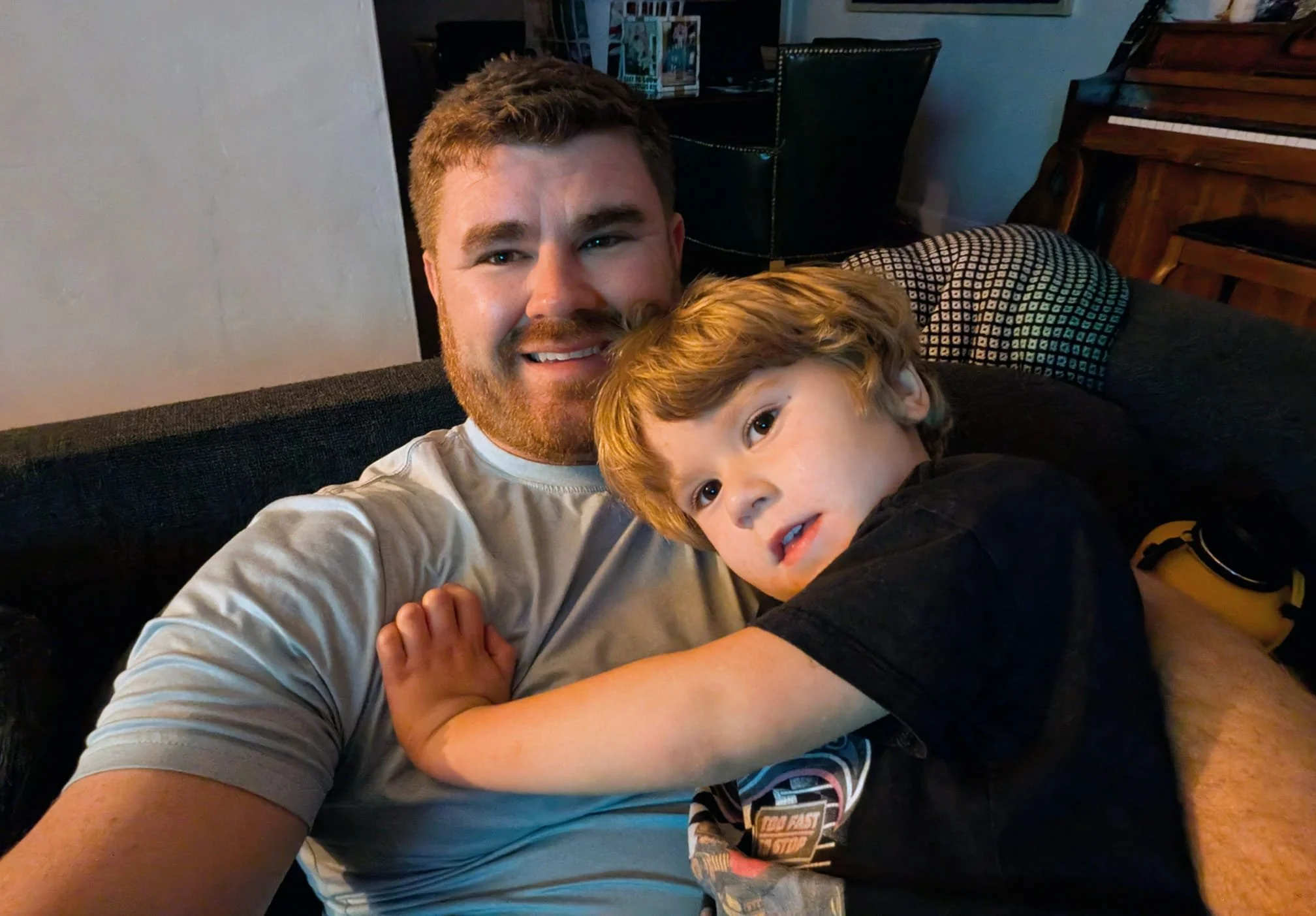
by Alexander Tidd
The moral panic starts around 5:00 p.m. on a Saturday, when we’ve exhausted every virtuous parenting activity known to suburban civilization and my four-year-old son is looking at me with those eyes that say, "What now, old man?" You know exactly what comes next. The television. That glowing rectangle of parental surrender that every child-rearing expert from here to Helsinki has condemned as the enemy of developing minds.
Screw them. I'm putting on Bluey.
A recent New York Times opinion piece dared to speak the unspeakable truth that parents have known since the invention of the cathode ray tube: watching television with your kids isn't actually destroying their synapses. The author, after running through the complete curriculum of Approved Weekend Activities—pancakes, drawing, counting, library visits, the whole exhausting catalogue of modern intensive parenting—finally collapsed on the couch next to her six-year-old to watch Paw Patrol and discovered it actually was a shared experience of watching a story together.
This flies in the face of everything we've been programmed to believe. TV kills brain cells. Screen time is digital heroin. Your child should be learning Mandarin or mastering the cello, not watching anthropomorphic dogs solve municipal crises in Adventure Bay. The cult of optimization has infected parenting so thoroughly that letting your kid watch cartoons feels like admitting defeat in some cosmic competition nobody actually signed up for.
The Religion of Productive Childhood
Somewhere along the way, childhood became a resume-building exercise. Every moment must be leveraged for maximum developmental return. Free time is a market inefficiency to be corrected through piano lessons and STEM camps. God forbid they spend thirty minutes watching Rescue Bots Academy learn about teamwork through the adventures of transforming construction vehicles.
But here's what the experts miss: sometimes the best thing you can do for your kid is absolutely nothing productive whatsoever.
My son and I watch Bluey together. Not educational Bluey, not as a reward for completing his vegetables, just Bluey because it's Tuesday evening and we both enjoy watching an Australian cattle dog family navigate the complexities of imaginative play. The point is we're sitting together doing something utterly unproductive while the dishes pile up and emails go unanswered and all the obligations of modern existence temporarily cease their demands.
The Times piece nailed it when the author quoted sculptor Anne Truitt on "the intervals between events, to what is happening when 'nothing' is happening." That's what co-watching television creates. Space. Room for your kid to reach over absently and ask what you want to be when you grow up, which might be the most beautiful question a four-year-old can ask.
When my son watches Rescue Bots Academy, he's not just absorbing plot points about Heatwave and Boulder saving Griffin Rock from various disasters. He's learning narrative structure. Cause and effect. How characters develop. The satisfaction of problems solved through cooperation. The storylines teach him how stories work, how the world operates, how people navigate challenges.
When Mayor Humdinger uses the word "dearie" in Paw Patrol and kids explode with laughter at the absurdity, that's comedy timing. That's understanding context and incongruity. That's culture being transmitted through a ridiculous cartoon villain.
The research backs this up, as the Times piece noted. Quality of programming matters, but context matters more. A child watching television with parents or siblings, engaging with the content together, discussing what they're seeing—that's fundamentally different from parking them in front of YouTube Kids and disappearing for two hours.
The Impossible Standard
The American Academy of Pediatrics recommends limiting screen time to one hour per day for kids aged two to five. Which sounds reasonable until you actually try implementing it on a rainy Saturday after you've already done the museum and the library and three hours of "creative play" and you still have six hours until bedtime. The guidelines assume infinite parental energy and endless reservoirs of engaging activities.
Real parenting happens in the exhausted margins between the ideal and the possible. And sometimes what's possible is putting on Bluey and sitting together on the couch while absolutely nothing productive happens except connection.
The great irony is that the parents most anxious about screen time are often the same ones who've internalized the cult of intensive parenting that makes screens necessary in the first place. You can't optimize every moment of childhood and also never use television. The math doesn't work. Something has to give.
So give yourself permission. Put on the cartoon. Sit with your kid. Laugh at Mayor Humdinger saying "dearie." Notice what delights them, what makes them serious, what questions they ask. Build that shared language the Times writer described. Create those intervals where nothing happens except being together.
Your kid's brain cells will survive. Mine sure did, and I grew up on a steady diet of GI Joe and Transformers. But I remember watching them. I remember the ritual of Saturday morning cartoons. I remember my dad occasionally sitting down to watch with me.
Those memories aren't about the shows. They're about the shared experience of watching them together, of having that common reference point, of building culture one ridiculous episode at a time.
So yeah, my four-year-old and I watch Rescue Bots Academy. We watch Bluey. The parenting experts can clutch their pearls all they want. We're busy building intervals where nothing happens except everything that matters.
