The New Intensive Fatherhood and Its Discontents
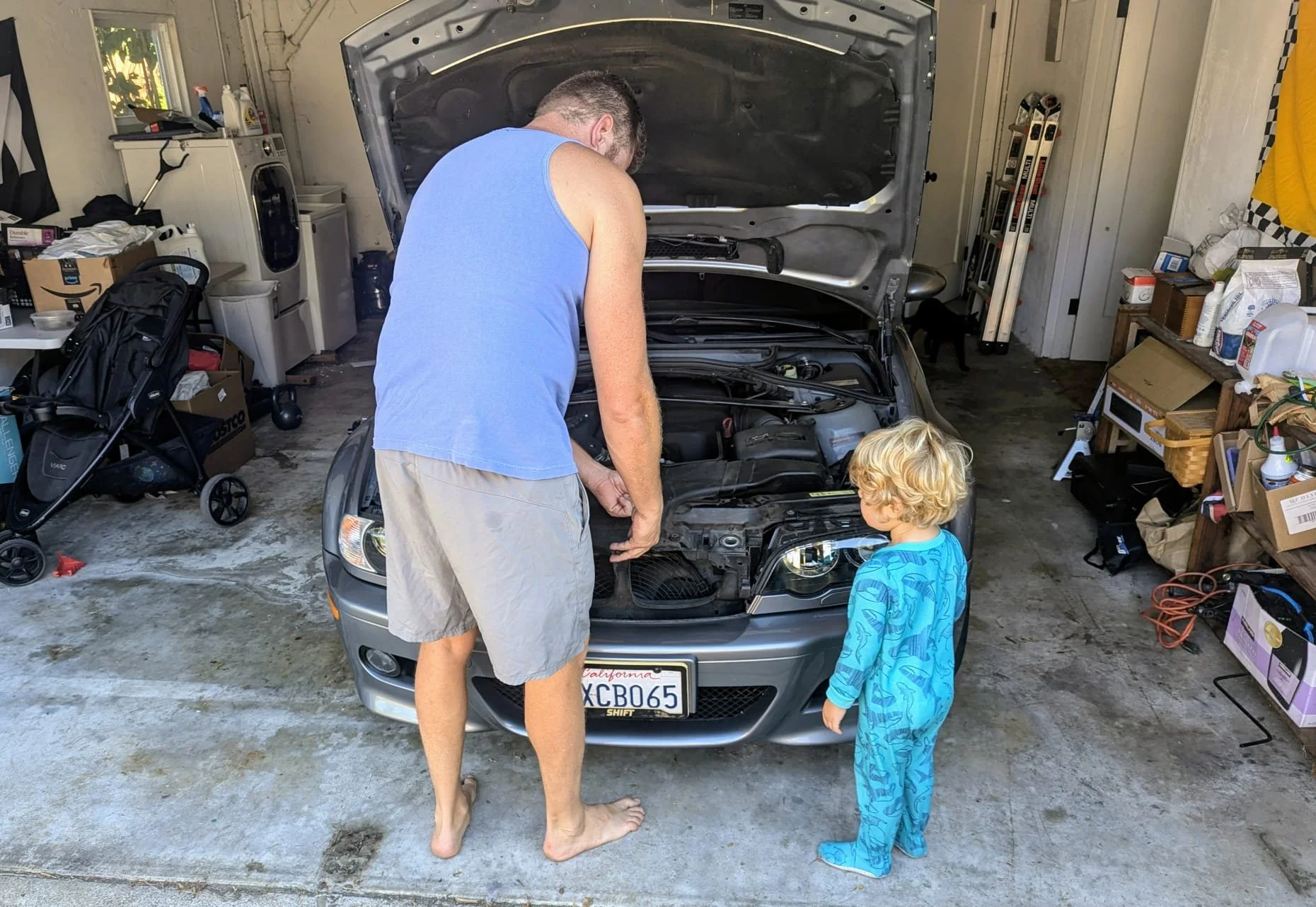
by Alexander Tidd
The first time my four-year-old son figured out how to make me laugh on purpose, not by accident but through deliberate comedic timing, something shifted. He's become a person with jokes and opinions and an inexplicable obsession with Hot Wheels monster trucks. Watching him discover the world—the genuine awe when he sees an airplane, the focused concentration as he builds something with blocks—it's better than anything I expected. Which is strange because everyone warns you about the hard parts of parenting.
Modern fatherhood has become something that would be unrecognizable to previous generations. Millennial and Gen Z fathers are doing bedtime routines and pediatrician appointments and classroom volunteering at rates that would have seemed bizarre thirty years ago. We're the generation that actually knows what our kids eat for lunch, who their friends are, what upsets them. We're in the weeds in ways our own fathers rarely were.
And we're discovering something that mothers have known for sixty years: you can't actually do this well while also maintaining your career trajectory.
The Joys Of The Job
The joy is real. In my mind, coming home to someone who sprints across the room yelling "Daddy!" like you're a returning war hero is better than any professional achievement. Teaching him to ride a bike, reading the same book seventeen times because he loves it, watching his personality emerge week by week. Sharing my passions and watching them take root. This stuff matters in a way that quarterly earnings reports never will.
But try explaining to your boss why you need to leave at four for pickup. Try being the one who takes the sick days when daycare calls about a cough. Try asking for paternity leave that's actually long enough to bond with a newborn rather than just help with the logistics. The workplace still operates on the assumption that someone else—specifically, a wife—is handling all of this.
Mothers have been living in this impossible contradiction since the 1960s, when they started entering the workforce in significant numbers. They've had six decades of being told they can have it all while discovering that "having it all" actually means doing two full-time jobs and feeling guilty about both. Working mothers have been grinding through this paradox for generations, fighting for basic accommodations like pumping rooms and flexible schedules, and absorbing the career penalties that come.
Now fathers are starting to experience a fraction of what mothers have dealt with for decades, and we're acting like it's a crisis. Which it is, but let's be clear about who's been in crisis all along.
The System That Won't Bend
The difference is that when fathers want to be involved, it's treated by many as optional. A generation of men who genuinely want to be present for their kids are discovering that the system never made room for this. We're supposed to be providers in the traditional sense—the career, the income, the steady upward trajectory. But we also want to be there for the actual moments of childhood. We want to know our kids, not just financially support them from a distance.
This creates a weird bind. The men who say they want large families—three, four kids or more—are they factoring in what it actually takes to raise them well? Or are they imagining a more traditional division of labor where someone else does the intensive daily work? Because if you're actually trying to be an involved father in the modern sense, scaling that up to multiple kids while maintaining a demanding career starts to look mathematically impossible.
The workplace still operates on the assumption of an ideal worker who has no caregiving responsibilities. Someone who can stay late, travel on short notice, prioritize work above all else. That model was always fiction, but it was fiction that women were forced to navigate while men got to mostly pretend it was real.
What's different now is that some men are rejecting that fiction. We're saying we want to be there for bedtime, for the school play, for the random Tuesday afternoon when our kid does something hilarious. We're discovering that being a genuinely involved parent is incompatible with the always-on, ever-available worker that modern capitalism demands.
And we're learning what mothers have always known: the system doesn't bend. You do.
So we're stuck in this weird transitional moment where fatherhood expectations have evolved faster than the systems meant to support them. Men want to be involved. Many of us are discovering that raising kids is genuinely rewarding in ways that professional achievement isn't. But we're trying to do this within structures designed for a different era.
The question isn't whether involved fatherhood is good. It obviously is, both for kids and for fathers. The question is whether we're willing to restructure work, careers, and economic expectations to make it possible. Or whether we'll just keep asking individual families to solve a systemic problem through personal sacrifice and endless juggling.
Mothers have been living with that impossible choice for sixty years. Now some fathers are joining them in it. Maybe if enough men start feeling the squeeze, something will actually change.
Either way, my kid thinks I'm hilarious and asks me to play Hot Wheels every morning. That part isn't complicated at all.
